What happens to your body the month you cut out sugar
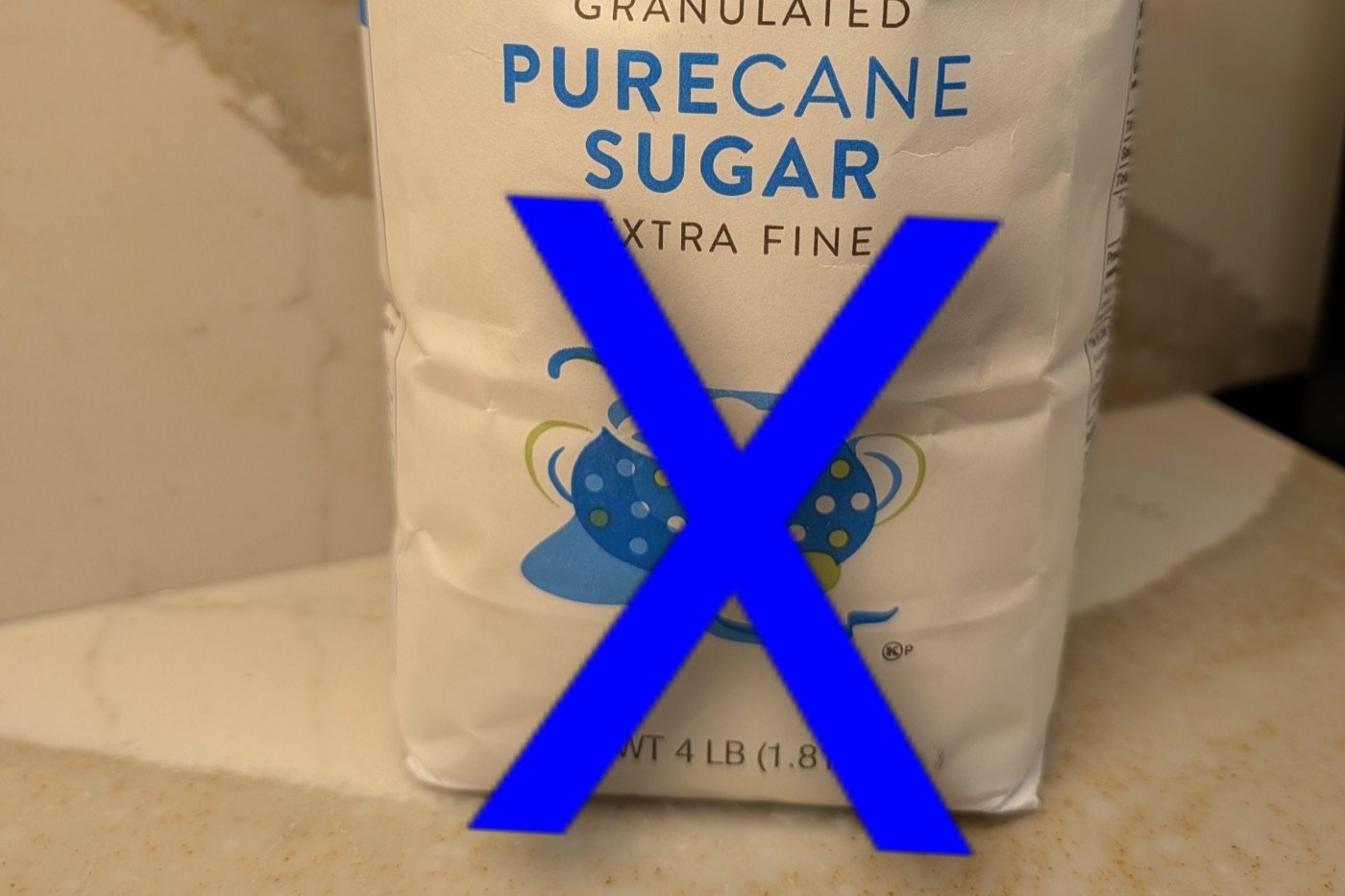
The moment you cut sugar out of your diet, your body starts making some major adjustments. Some are good, some are a little rough at first.
The first hour
Your blood sugar begins to stabilize as your body processes the last bit of glucose from your last meal. Insulin kicks in, making sure whatever sugar is left is either used for energy or stored. Without constant sugar spikes, you avoid those energy crashes, mood swings, and insane cravings that make you reach for more sweets.
The first day
Your liver steps in to keep your blood sugar steady by breaking down stored glycogen into glucose. But here's the catch: your body starts realizing it's not getting that quick sugar fix, and you might feel the withdrawal. Headaches, irritability, fatigue. It's not fun, but it's temporary. Your brain, which loves sugar, is missing the dopamine rush, which is why you might feel a little cranky or sluggish.
Day two
Things get interesting. Since glucose is running low, your body shifts gears and starts using stored fat for energy, a process called ketosis. This is when fat gets broken down into ketones, which become your new fuel source.
Some people feel a sudden boost of energy and mental clarity, but others experience the dreaded “keto flu”: nausea, headaches, dizziness. This happens because your body is adjusting to burning fat instead of sugar. Staying hydrated and getting enough electrolytes can help ease these symptoms.
The first week
Your taste buds start to reset. Foods that once tasted bland suddenly seem sweeter because your body isn't overloaded with sugar anymore. Your cravings for processed sweets start to fade, and natural sugars, like those in fruit, taste more satisfying. Your metabolism is also improving, insulin sensitivity increases, and if you've been cutting sugar for weight loss, you might already see a difference, especially around your waistline.
Two weeks
Your energy levels become steady, and those mid-afternoon crashes are a thing of the past. Inflammation throughout your body decreases, which means your joints might ache less, your skin may start to clear up, and your risk of chronic diseases like heart disease and diabetes starts dropping. Your gut health improves too, because sugar feeds bad bacteria in the gut, so less sugar means a healthier digestive system.
One month
The benefits are undeniable. Your insulin sensitivity is even better, meaning your body processes carbs more efficiently without crazy blood sugar spikes. If you had belly fat, it's likely shrinking, lowering your risk of metabolic syndrome and heart disease.
Your liver is also in better shape since it no longer has to process excess fructose, which can lead to fatty liver disease. Your brain functions more smoothly, giving you better focus and memory, and even your mood stabilizes: less anxiety, fewer mood swings, and overall better mental health.
Long term
Quitting sugar helps keep your heart healthy, lowers blood pressure, strengthens your immune system, and even protects your teeth from cavities. You're also less likely to develop diseases linked to chronic inflammation, such as Alzheimer's, cancer, and heart disease.
Cutting sugar is like hitting the reset button on your body. Once you get past the tough early days, the benefits just keep piling up.
My results are my own and are not typical. Individual results vary, and nothing here is medical advice. Talk to your doctor before changing any medication. Independent Unicity Distributor; income results vary and are not guaranteed. Statements have not been evaluated by the FDA and are not intended to diagnose, treat, cure, or prevent any disease.
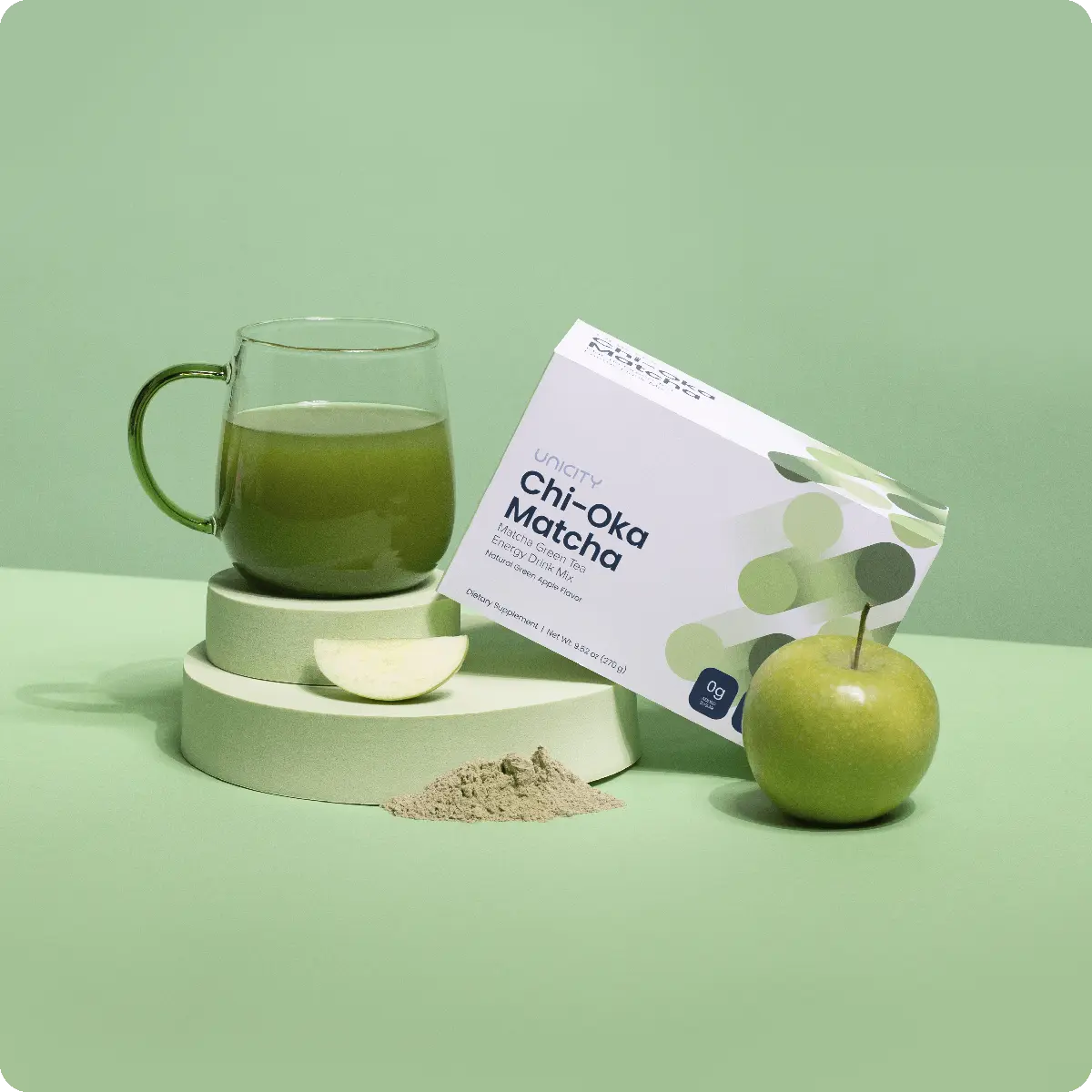
Two drinks a day, and food I can pronounce
This is the protocol behind everything I write about here.
I'm an Independent Unicity Distributor. Purchases happen on Unicity's site.