Fasting isn't about seeing how long you can go without food
I think this is one of the biggest misunderstandings about fasting.
We hear 12 hours… 14 hours… 16 hours… 18 hours… And pretty soon fasting starts sounding like a competition. It isn't.
One of the reasons fasting is incorporated into the Feel Great approach is actually pretty simple: we spend part of the day eating, and part of the day not eating.
When we eat, especially carbohydrate-containing foods, our body releases insulin in response to the nutrients coming in. Insulin has an incredibly important job. It helps move nutrients into our cells and signals that energy is available.
But when we're eating from early morning until late at night, especially when we're constantly snacking, we're repeatedly returning to that fed state.
Fasting gives our body a period when insulin can generally fall and we can begin relying more on stored energy. As fasting continues, our reliance on fat for fuel increases, and the liver can begin producing more ketones.
That's why fasting isn't simply about eating fewer calories. It's about giving your body time in a different metabolic state.
So where does the Feel Great system fit?
This is the part we really want people to understand. The system isn't just about two products. It's a way of combining nutrition, meal timing, fasting and tools that can make those habits easier to maintain.
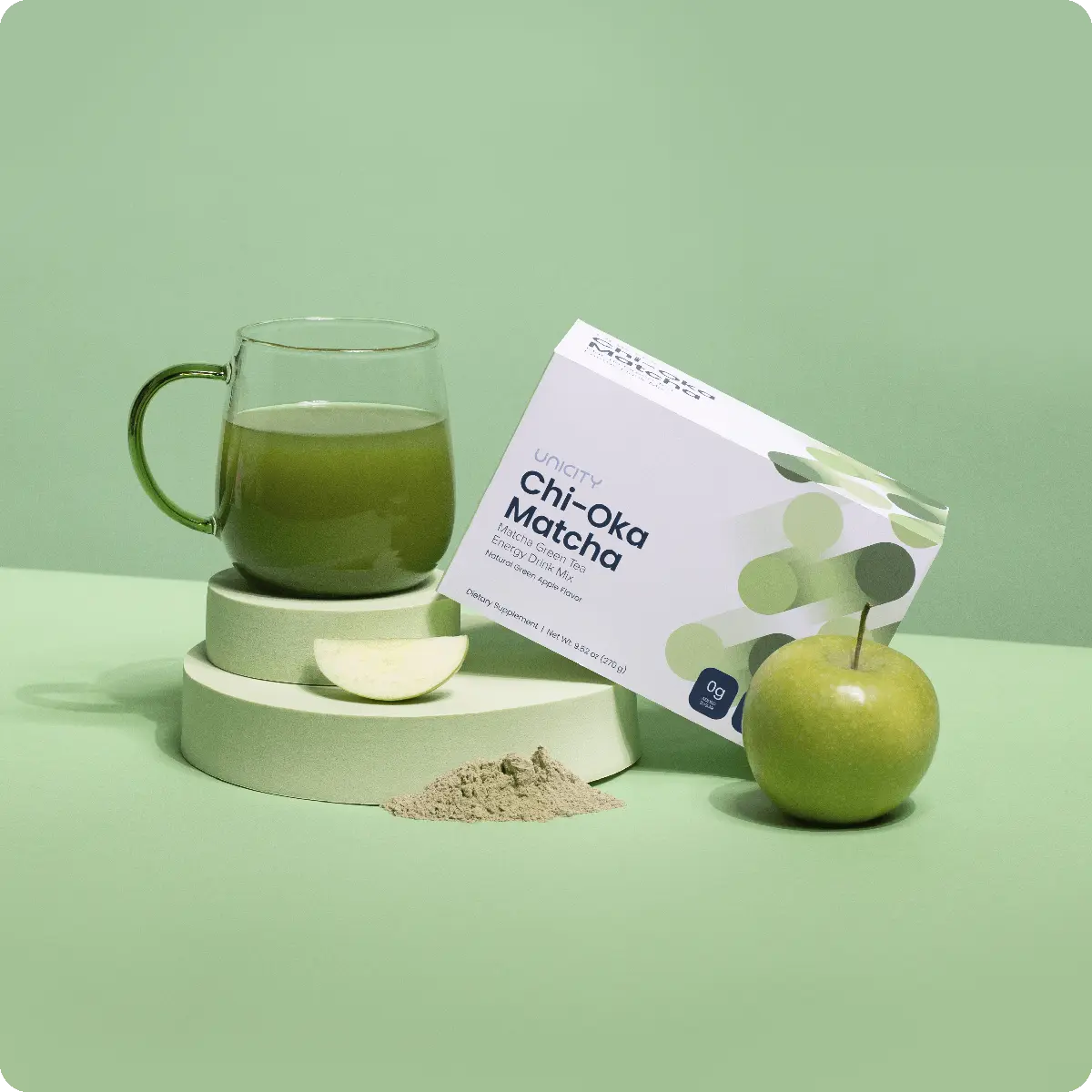
During the fasting portion of the day, many people following the Feel Great approach use Unimate as directed within the program. Then around meals, Balance provides fiber and helps support a healthier post-meal glucose and insulin response.
So we're thinking about both sides of the day: what happens metabolically when we're not eating, and what happens metabolically when we do eat.
Your fast doesn't have to be the same every day
Once you start fasting, you don't have to decide “I'm a 16-hour faster now, so I have to fast exactly 16 hours every single day.” You don't. Some days might be 12 hours. Some days 14. Some days 16. And for an experienced faster, there may occasionally be an appropriate reason for something longer.
Your fasting schedule can change with your activity, sleep, stress, age, goals and overall health. For women, hormonal stage and the menstrual cycle may also affect how fasting feels and what schedule is practical.
Longer isn't automatically better
Metabolic adaptation can occur with prolonged calorie restriction and weight loss, but we don't have good evidence that your metabolism simply slows because you repeatedly use the same reasonable fasting window.
What we are much more interested in is metabolic flexibility. Can your body comfortably move between the fed state and the fasted state? Can it use incoming energy when food is available and access stored energy when it isn't? And are you still giving your body enough protein, nutrients and overall nourishment during your eating window? That matters.
Fasting should work with your body, not become another rigid diet. The goal isn't “how long can I force myself not to eat?” The better question is: what fasting pattern can I consistently incorporate into my life while still properly nourishing my body?
Fasting is a tool. Not a punishment. Not starvation. And definitely not a competition.
If you're currently fasting, what does your schedule look like? Do you keep the same window every day, or do you change it depending on the day?
I fast every day, and most everyone does too, without realizing it. I can help you make your overnight fast work for you.
My results are my own and are not typical. Individual results vary, and nothing here is medical advice. Talk to your doctor before changing any medication. Independent Unicity Distributor; income results vary and are not guaranteed. Statements have not been evaluated by the FDA and are not intended to diagnose, treat, cure, or prevent any disease.
Two drinks a day, and food I can pronounce
This is the protocol behind everything I write about here.
I'm an Independent Unicity Distributor. Purchases happen on Unicity's site.